

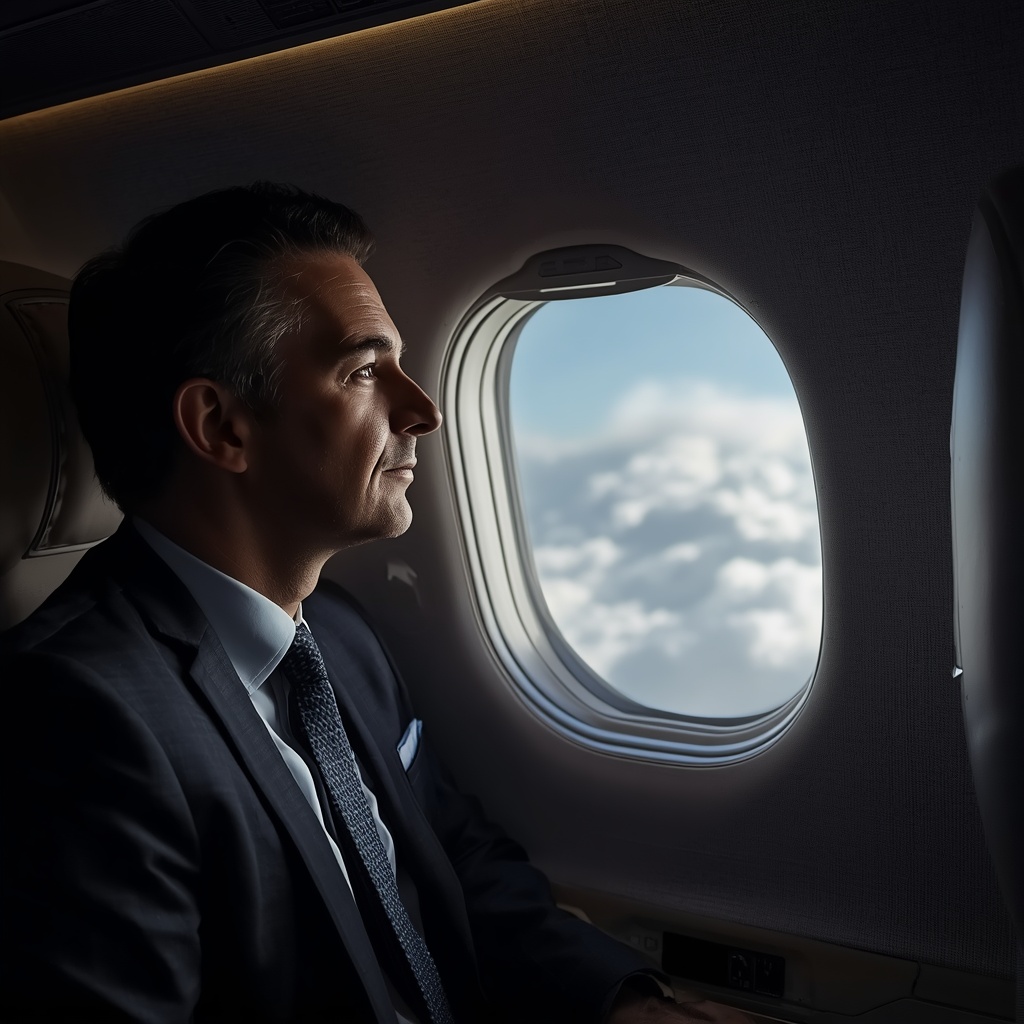
Luxury is no longer defined solely by physical assets. The modern elite increasingly value something far rarer than property, artwork, or exotic vehicles: time. This shift has transformed the psychology of private jet travel and elevated efficiency into one of the most coveted luxury commodities in existence. For high-net-worth individuals, corporate leaders, and global entrepreneurs, private aviation is not about transportation. It is about strategic lifestyle decisions, where every saved hour translates into opportunity, productivity, privacy, and control.
Why Time Has Become the Ultimate Luxury
Every individual receives the same 24 hours per day. The difference lies in how effectively those hours are utilized. For successful entrepreneurs and executives, time often becomes more valuable than money because money can be replenished while time cannot.
This principle explains much of the psychology of private jet travel. Commercial aviation introduces numerous inefficiencies: early airport arrivals, security queues, flight delays, layovers, congested terminals, limited scheduling flexibility, and lost productivity.
Private aviation eliminates many of these constraints. A traveler can arrive minutes before departure, access smaller airports, adjust schedules quickly, and conduct business throughout the journey. The resulting time optimization creates measurable value.
The Psychology of Control and Autonomy
One of the strongest drivers behind luxury consumption is control. Research in behavioral psychology consistently demonstrates that humans experience lower stress levels when they maintain control over their environment.
Commercial travel often removes that control. Passengers are subjected to predetermined schedules, gate changes, delays, cancellations, and crowded environments.

Private aviation reverses this dynamic. Travelers regain authority over departure schedules, arrival locations, passenger selection, onboard environment, security procedures, and travel flexibility. This level of autonomy creates a profound psychological benefit. Rather than adapting to transportation systems, transportation adapts to the traveler.
Cognitive Performance and Decision-Making
Elite business leaders make hundreds of important decisions each week. Decision quality often determines organizational success.
The psychology of private jet travel extends to cognitive performance. Private cabins offer quieter environments, personalized amenities, and uninterrupted space to rest or work. This translates to sharper focus, better decisions, and reduced fatigue.
Commercial travel is exhausting. The noise, the crowds, the uncertainty—all of it drains mental energy that could be directed toward decision-making. For high-performing individuals accustomed to making critical decisions daily, this alignment with personal control can significantly improve satisfaction and reduce cognitive fatigue.
What High-Net-Worth Individuals Actually Value
Affluent consumers, particularly high-net-worth individuals, value travel experiences that provide convenience, security, and personalized service. Time efficiency, safety perceptions, and service quality emerge as critical factors in driving their decisions.
Status-oriented frequent flyers seem particularly attentive to brand image, recognition, and loyalty benefits. Meanwhile, ultra-high-net-worth leisure travelers place more emphasis on emotional comfort, personalization, and family privacy.
One client summarized it perfectly: “My private jet isn’t about luxury. It’s about getting 6 extra hours with my grandchildren.”
The Bottom Line
The psychology of private jet travel reveals a fundamental truth: time, control, and cognitive performance drive decisions more than status or comfort. For those who can afford it, private aviation is not an indulgence—it is a strategic investment in life quality and business performance.
Villiers.ai understands what high-net-worth travelers actually value. With access to thousands of aircraft and personalized service, Villiers delivers the time, control, and peace of mind that commercial travel simply cannot provide.

Internal Links: Article #1 (The 10-Hour Rule) and Article #3 (Flight Offices).
External Links: Behavioral psychology research on control and a Harvard Business Review article on executive decision-making.





Leave a Reply