


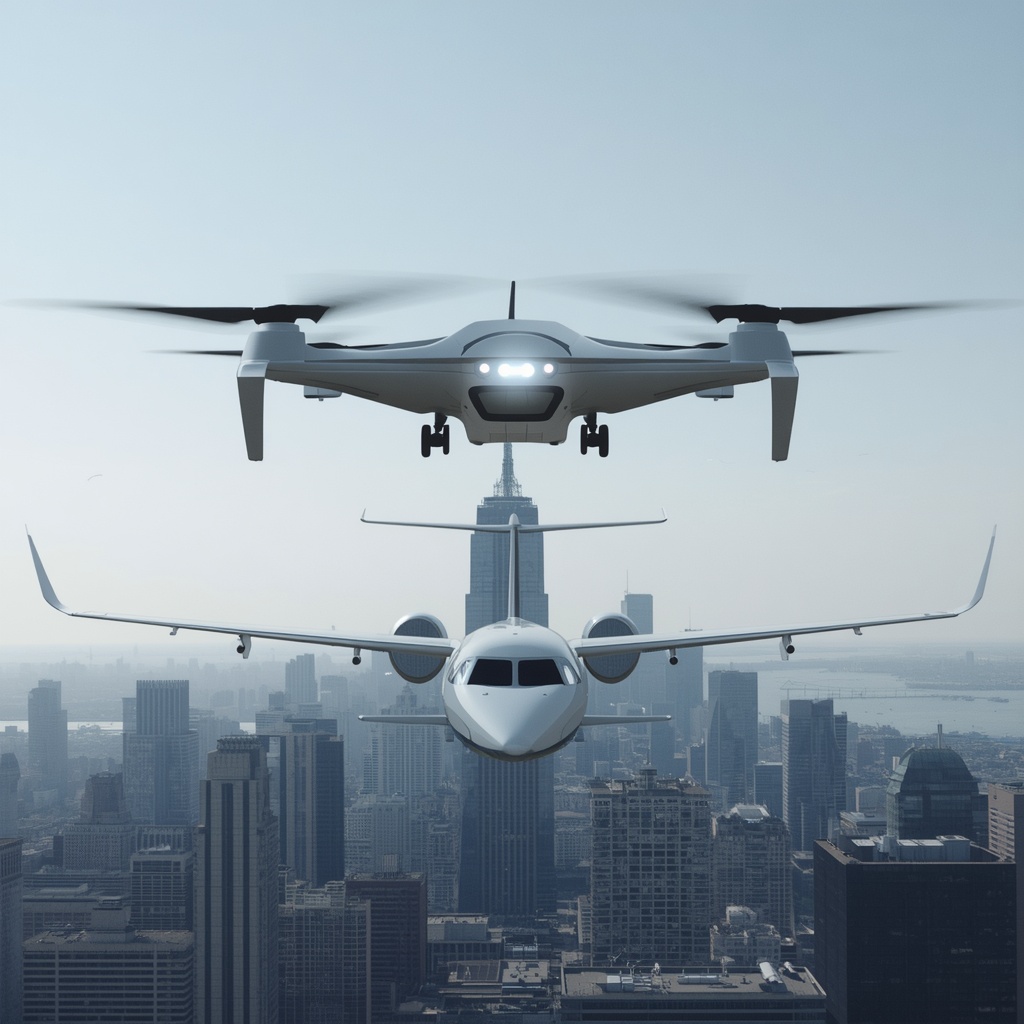
Private aviation is entering a new era of innovation and accessibility. Hence, from cutting-edge electric jets like the Lilium eVTOL to Sustainable Aviation Fuel reducing emissions by up to 80%, the industry is making bold strides toward a greener future. The sustainable private aviation future is not a distant promise—it is unfolding now. Therefore, for business travelers and investors, understanding these trends is essential. This guide covers the key developments shaping private aviation’s environmental transformation.
Sustainable Aviation Fuel: The Near-Term Solution
Sustainable Aviation Fuel stands out as one of the most promising alternatives for reducing aviation’s carbon footprint. Specifically, derived from renewable sources such as agricultural waste, used cooking oil, and industrial gases, SAF can cut CO₂ emissions by up to 80% compared to traditional fossil fuels.
Crucially, SAF is fully compatible with existing aircraft infrastructure and technology, offering a low-risk solution in a volatile oil market. This means today’s private jets can fly greener without waiting for new aircraft designs.
The regulatory landscape is accelerating adoption. ReFuelEU Aviation sets binding targets for fuel suppliers to gradually increase the share of SAF in conventional fuel blends, starting at 2% in 2025 and reaching 70% by 2050. Since January 2025, all jet fuel across the UK (and Union airports within Ireland) contains a minimum of 2% SAF.
Gulfstream Aerospace has already flown its fleet more than three million nautical miles using sustainable aviation fuel blends. Thus, the technology works.

eVTOL: The Urban Air Mobility Revolution for a sustainable private aviation future
Electric Vertical Take-Off and Landing aircraft are designed to reshape urban air mobility with efficient, low-emission flight. For instance, companies like XPENG AEROHT unveiled groundbreaking eVTOL concepts at CESIUM Las Vegas 2025.
Private terminals are already preparing. Moreover, Jetex is already positioning itself as a key player in this emerging sector, ensuring its private terminals are ready to accommodate eVTOL aircraft upon launch.
The sustainable private aviation future includes these electric aircraft as complementary tools because they are ideal for short urban hops and regional travel. They promise to make private travel even more flexible and tailored. It will be interesting to see how this whole revolution will affect empty leg flights around the world.
Hybrid and Hydrogen Propulsion for the sustainable private aviation future
Beyond eVTOL, the industry is exploring hybrid and hydrogen-powered systems. EBACE 2025 featured conferences such as “Future Propulsion: Advancements in Revolutionary Engines and the Path to Service,” exploring the latest propulsion technology innovations.
The aviation industry’s goal of zero net emissions by 2050 is driving this innovation. Hydrogen fuel cells and other zero-emission technologies are being integrated into next-generation aircraft designs.
Market Trends Supporting Sustainability
Demand for sustainable options is growing. Private aviation is experiencing a significant shift in passenger preferences, with a surging demand for larger cabin aircraft and a growing emphasis on sustainable travel options.
Actually, Sustainability was the dominant theme at EBACE 2025, with 82 percent of exhibitors highlighting it in their presentations. The event focused on ReFuelEU Aviation mandates, Sustainable Aviation Fuel (SAF) adoption, and the industry’s path to net-zero carbon emissions by 2050.
The Global Business Jets Market was valued at USD 27 billion in 2025 and is estimated to grow at a CAGR of 8.3% to reach USD 60.5 billion by 2035. New business jet deliveries are expected to grow by 3% annually on average over the next 10 years.
The sustainable private aviation future is not replacing traditional jets overnight. Instead, it is creating a multi-layered ecosystem where SAF-powered traditional aircraft coexist with eVTOLs for short-haul and hybrid options for medium-range travel.
What This Means for Business Travelers
For now, the practical impact is limited. SAF availability remains constrained, and eVTOLs are still in development. Nevertheless, the direction is clear.
Business travelers should expect:
- Increasing availability of SAF options for charter flights
- More sustainable aircraft entering the fleet over the next decade
- Continued growth in private aviation overall
The Bottom Line
The sustainable private aviation future is arriving through multiple pathways: SAF for immediate reductions, eVTOL for urban mobility, and hybrid/hydrogen for longer-term transformation. For business travelers, this means more choices of “flight offices” and greener options without sacrificing the efficiency that private aviation provides.
Villiers.ai stays ahead of these trends, connecting travelers with the most sustainable options available today.








Leave a Reply